
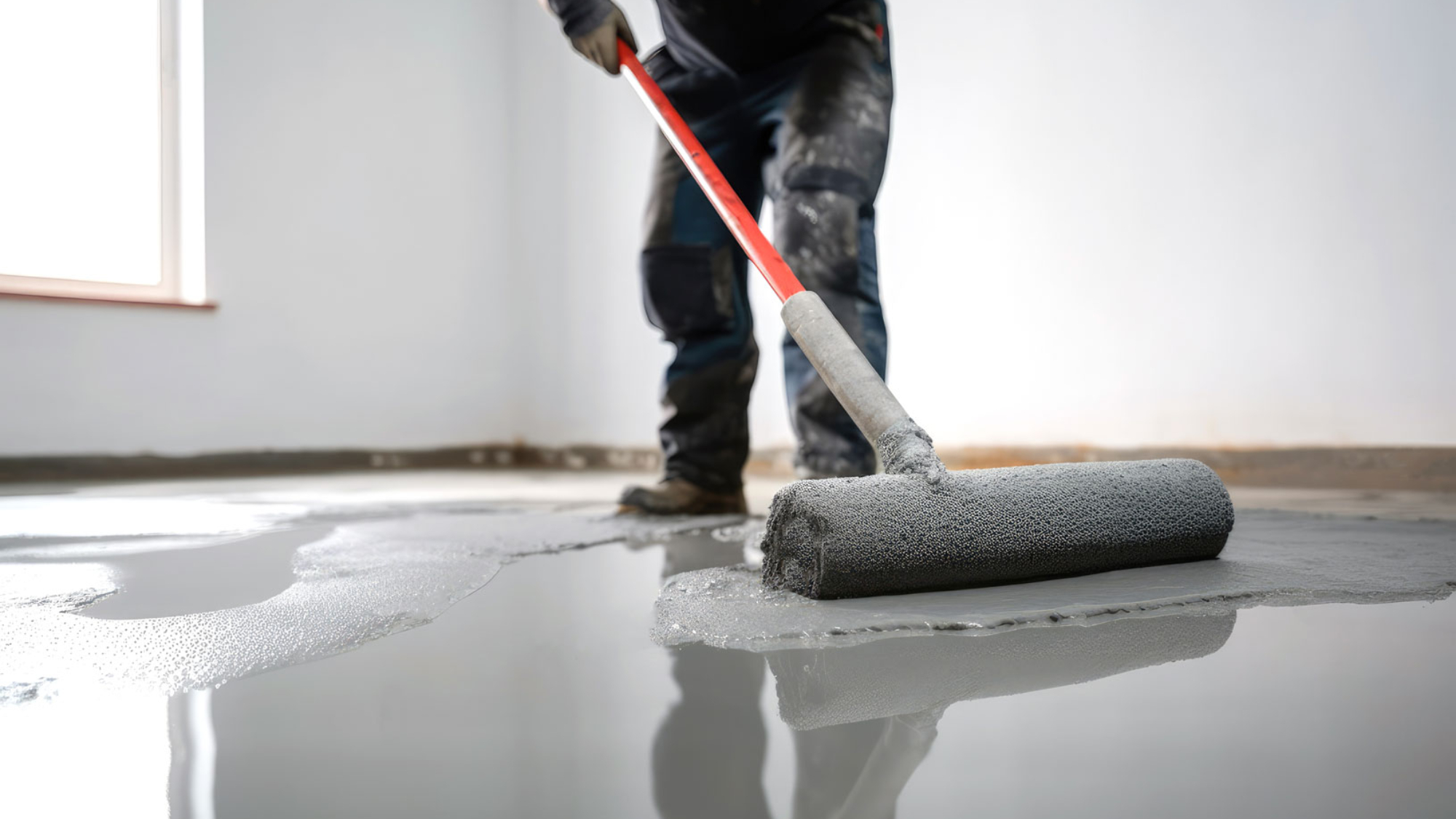
Liquid screed is a popular choice for modern floors, prized for its quick installation, seamless finish, and suitability for underfloor heating. But like any building material, it has its own set of considerations, including the potential for cracking. In this post, we’ll explore why liquid screed might crack, how to prevent it, and what to do if cracking occurs. This discussion will pay particular attention to the needs of readers in London, where climate, building standards, and tradespeople practices can influence outcomes. If you’re searching for reliable experts in the capital, you’ll often see references to liquid screeding London specialists, who bring local knowledge to projects.
What is liquid screed and why cracking happens
Liquid screed is a self-compacting, flowable cementitious material poured to create a smooth, consistent subfloor. It typically contains a higher cement content and finely graded aggregates, which gives it a quick-setting, level surface ideal for laying flooring or installing underfloor heating.
Cracking can occur in liquid screed for several reasons:
- Shrinkage: As the mix dries, it loses moisture and contracts. If the constraints are too rigid or if the evaporation happens too quickly, shrinkage cracks can form.
- Temperature and humidity changes: Rapid fluctuations can cause differential movement between layers or within the screed itself.
- Movement of substrates: If the base concrete or underlying layer moves or if there is poor bonding, cracks can propagate.
- Poor mix design or workmanship: Incorrect cement content, inadequate aggregate grading, or insufficient curing can increase the risk of cracking.
- Overworking or excessive vibration: While some compaction is necessary, too much vibration can segregate components and create weak spots that crack later.
Preventing cracks in liquid screed
Prevention is easier than remediation. Here are practical steps to reduce the risk of cracks:
- Proper mix design: Use a screed with appropriate cement content and an optimized aggregate size. For liquid screed London projects, local suppliers and contractors may tailor mixes to the regional climate and building practices.
- Adequate curing: Keep the screed moist or use curing compounds to prevent rapid moisture loss. In London’s temperate climate, maintaining steady humidity during curing can help.
- Control joints: Plan for control joints or expansion joints where needed to accommodate movement and prevent random cracks.
- Substrate preparation: Ensure the base layer is clean, dry, and uniformly flat. Any movement or voids beneath can transfer stress to the screed.
- Temperature control: Avoid pouring in extreme heat or cold. Allow the material to acclimatise to the site conditions before laying.
- Minimise movement: If the building structure is still settling, allow for a suitable curing window and avoid loading the screed prematurely.
- Skilled workmanship: Choose experienced screeders, ideally with references from London projects, who follow best practices for liquid screed installation.
Post-installation care and crack management
If cracks do appear after installation, there are sensible approaches:
- Assess the type and size of crack: Hairline cracks are common and may be non-structural; larger cracks require assessment.
- Monitor moisture: Liquid screed can shrink as it dries; monitoring moisture levels helps determine if cracks are likely to widen or stabilise.
- Re-covering options: Some cracks can be levelled with skim coats or overlaid with floor coverings, but this depends on the crack’s location and reason.
- Structural assessment: For significant cracking or cracks that appear soon after pouring, consult a structural engineer or the screed installer to identify root causes.
Specific considerations for liquid screed London projects
In London, building sites face unique pressures, including tight spaces, high-rise developments, and a fast-paced schedule. These factors influence screed applications:
- Availability of local suppliers: London-based suppliers understand regional aggregates and curing practices that suit the climate.
- Compliance with UK standards: Liquid screed in London must comply with current Building Regulations and industry standards, including considerations for underfloor heating where applicable.
- Access and logistics: On-site access can affect mixing, transport, and pouring, which in turn impacts curing and crack risk.
- Sustainability considerations: There’s growing emphasis on low-carbon screed options and recycled content in urban projects.
Maintenance and long-term performance
A well-applied liquid screed floor can perform reliably for decades if protected and maintained properly:
- Floor coverings: The finish and movement allowance of the screed influence its long-term crack resistance. Ensure compatible flooring materials and adhesives.
- Humidity and dryness: Prolonged exposure to excessive moisture can impact the screed’s integrity, especially in ground floors or basements.
- Regular inspections: Periodic checks for hairline cracks or moisture anomalies help catch issues before they escalate.
Final thoughts
Cracking in liquid screed is not inevitable, but it is a common consideration that deserves attention from the outset. By prioritising proper mix design, curing, substrate preparation, and skilled workmanship, especially when projects are in London and involve complex logistics, you can minimise the risk and ensure a durable, smooth floor. If you’re planning a project in the capital, connecting with liquid screeding London specialists who understand local materials, climate, and building practices can make a significant difference. With careful planning and professional execution, your liquid screed floor should deliver a reliable, level foundation for years to come.
Add a Comment